Normalizing is justified when a steel component needs a more uniform, refined structure before machining, welding, testing or further heat treatment—not simply because it has been fabricated. By checking the grade, section thickness, manufacturing history, required properties and documentation, you can decide whether normalizing is necessary and compare a furnace supplier on technical control rather than location or price.
Key takeaways
- Identify the steel grade and section before choosing a normalizing temperature.
- Adjust soaking time for the thickest section and the full furnace load.
- Cool in still air and verify hardness, tensile properties and grain structure.
- Compare suppliers by traceability, calibration and testing capability—not furnace size alone.
Identify the steel and the problem normalizing is meant to solve
Carbon steels such as C45 or AISI 1045, low-alloy steels, and many forgings, castings, plates and bars benefit from normalizing when their grains are coarse, structure is segregated, or hardness varies across the section.
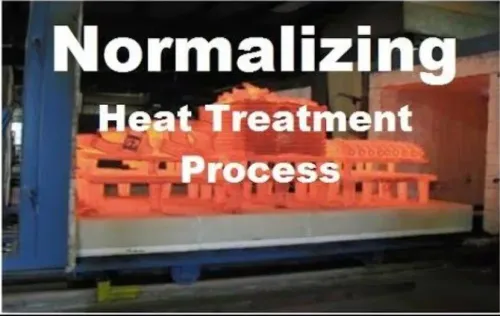
The treatment heats steel above its critical transformation range, holds it through, then cools it in still air to produce a finer, more uniform ferrite-pearlite structure.
Fabricated components can need normalizing after heavy forming, forging, casting or welding when machining variation or inconsistent mechanical properties is a concern. Do not assume it is necessary: certified mill-normalized plate that has not changed condition during fabrication may already meet the requirement.
A welded assembly also needs code review because normalizing is not automatically post-weld heat treatment.
A request for normalizing heat treatment in Nagpur should identify the grade, product form and maximum section thickness. Surface and core cooling rates differ in thick alloy-steel parts, so “air cooled” alone does not define the result.
| Treatment | Main purpose | When it applies |
|---|---|---|
| Normalizing | Refines grains and evens ferrite-pearlite structure | Coarse, segregated or variable carbon and low-alloy steel |
| Annealing | Softens steel and improves machinability | Maximum ductility or reduced hardness is required |
| Stress relieving | Reduces residual welding or forming stress without full transformation | Dimensional stability matters, but structure need not be refined |
| Quenching and tempering | Creates high strength, then restores toughness | The specification requires a hardened and tempered condition |
Normalizing treatment for steel components is therefore a structure-and-property decision, not a substitute for preheating, stress relief or a specified quenched-and-tempered condition.
Set the cycle from the grade, section and furnace load
Set the normalizing temperature from the steel specification and transformation range, not from a generic 850°C rule. The selected setpoint must place the grade above Ac3 for hypoeutectoid steel or above Acm for hypereutectoid steel, with the required margin stated by the grade standard or procedure.
Before approving the cycle, record:
- The exact grade, heat number and product form, including any alloy additions that alter hardenability.
- The controlling section thickness, measured at the thickest area or through the joint that will cool slowest.
- The required furnace setpoint, heating rate, soak basis and cooling method from the material specification or qualified procedure.
Start the soak when a load thermocouple shows that the component—not merely the furnace air—has reached temperature. Select the hold time from the controlling section and the supplier’s qualified procedure; a heavily loaded fabrication needs longer equalisation than a thin, lightly loaded batch.
For thick alloy-steel sections, confirm that surface and core hardness will remain within the specified range after air cooling.
Arrange parts with clear gaps around faces, webs and brackets so hot air can circulate and heat can escape during cooling. Do not stack plates tightly or hide a thick section inside a dense load. Request the temperature chart, instrument calibration, furnace uniformity evidence and load-thermocouple record from any provider of steel normalizing services.
For normalizing heat treatment in nagpur, also require the recorded cooling practice and actual load identification, not only the furnace set temperature.
Control cooling and verify the resulting properties
Air cooling can make a sound furnace cycle fail. Excessive airflow or a cold, exposed surface can cool the outside faster than the core, creating hardness and transformation gradients through a thick or alloy-steel section. Slow or uneven cooling can leave coarse, non-uniform structure, while rapid cooling can produce unwanted hard zones, distortion or cracking.
“AIR COOLED” is not a complete process record. Ambient temperature, airflow, component spacing and seasonal conditions in Nagpur affect the cooling time and the component’s actual response. The supplier should record the cooling arrangement and control conditions for each load.
A furnace chart proves that the furnace reached its setpoint; it does not prove that the steel reached that temperature. Ask an industrial heat treatment services provider for evidence covering:
- Furnace temperature uniformity and instrument calibration
- Load thermocouple locations, attachment method and soak-time basis
- Component identification, heat number, section thickness and loading arrangement
- Cooling method, start time and any measured component temperature
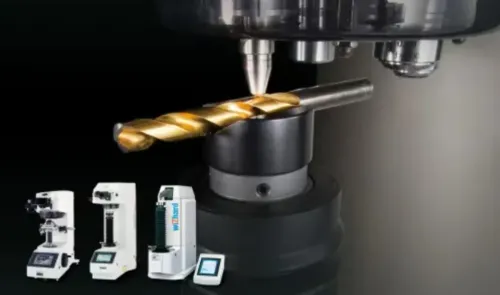
- Hardness readings at defined surfaces and depths
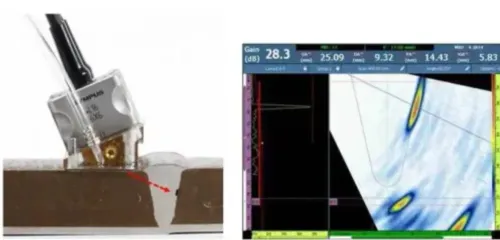
- Metallographic examination showing the specified grain and ferrite-pearlite structure
- Tensile, impact or other mechanical tests required by the drawing or material specification
Compare results with the acceptance limits, not with a generic claim that normalizing treatment for steel components improves consistency. Map hardness across thick sections where surface and core cooling differ.
If a welded fabrication was normalized, assess the weld metal, heat-affected zone and parent metal separately; this cycle does not automatically satisfy code-required post-weld heat treatment. Keep every result traceable to the component or heat number.
Choose the right fabrication stage and build the acceptance record
Place normalizing after casting, forging, or severe forming and before final machining when the material specification, drawing, or approved procedure requires a refined, uniform structure. For a welded assembly, schedule it only when the governing code accepts that treatment; normalizing does not automatically replace post-weld heat treatment for stress relief or tempering.
| Stage | Decision | Evidence needed for release |
|---|---|---|
| Incoming plate, bar or forging | Normalize before fabrication if the supplied condition is non-uniform, coarse, or outside the specified normalized condition | Mill certificate, heat number, grade, section size and approved cycle |
| After forming or rough fabrication | Normalize before finish machining when forming or thermal cutting could create property variation | Furnace chart, load thermocouples, uniformity and calibration records, cooling method |
| Completed welded component | Treat only if the drawing, weld specification and project code permit it | Weld map, WPS/PQR reference, treatment record and inspection results |
Your acceptance package should identify the component or heat number on every record and include:
- Furnace identification, setpoint, actual load temperature, soak-time basis and cooling conditions
- Hardness readings mapped across the component; surface readings alone cannot prove the core was normalized
- Tensile, impact, or metallographic results when the material or purchase standard specifies them
- Dimensional inspection and NDT reports linked to the same component, weld, or heat number
- Deviations, repairs, retreatment and disposition approvals
Do not release a foundation plate, bracket, pile, or anchor component from a furnace chart alone. Specify these records when buying steel normalizing services or industrial heat treatment services, and ensure the final dossier matches the drawing and project code.
Compare Nagpur suppliers by capability, not by furnace claim alone
A low quoted price proves little if the supplier has not reviewed your steel grade, largest section, fabrication shape and required acceptance condition. For normalizing heat treatment in Nagpur, ask for a quotation based on your actual component drawing and material certificate, not a standard furnace rate.
Ask for:
- The proposed temperature range, soak basis and loading arrangement for your grade and maximum thickness.
- The furnace working-zone dimensions, maximum load mass and clearance around parts.
- The documented cooling method, including spacing, support and airflow during air cooling.
- Included controls for distortion, scale removal, decarburization and final dimensional inspection.
- The records supplied: furnace chart, heat number traceability, hardness or tensile results, and microstructure report if specified.
| Supplier claim | Evidence to request | What it reveals |
|---|---|---|
| “Any size” | Working-zone dimensions and a trial loading sketch | Whether the full fabrication will heat uniformly |
| “Air cooled” | Cooling procedure and component temperature records | Whether the result is reproducible in Nagpur conditions |
| “Code compliant” | Named code, clause and acceptance values | Whether the offer matches your drawing and weld specification |
| “Heat treated” | Furnace chart linked to heat number and part ID | Whether the certificate is auditable |
For alloy steel, thick plates, piles or asymmetric brackets, ask how the supplier will address surface-to-core hardness variation and movement during support. A furnace setpoint alone cannot answer that.
If Becquerel Industries Pvt Ltd quotes the work, use the same test-and-record checklist and confirm whether independent steel testing and NDT documentation will be linked to each component. That is the standard expected in normalizing heat treatment for steel fabricators in Nagpur.
Frequently asked questions
Which steel components benefit from normalizing heat treatment?
C45 or AISI 1045 carbon steel, low-alloy steel, forgings, castings, plates and bars benefit when grains are coarse, structure is segregated or hardness varies across a section.
How do you set a normalizing cycle for steel?
Set the heating temperature from the steel grade, then determine soaking time from the thickest section and adjust the cycle for the furnace load and component arrangement.
How should normalized steel be cooled and verified?
Remove the load for controlled still-air cooling, then verify the specified hardness, tensile properties, grain structure and uniformity across representative locations.
When should fabricators use normalizing during production?
Use it after casting, forging or heavy forming when the structure needs refinement, or before machining and final inspection when uniform properties improve downstream work.
Keywords