A failed foundation, weak haul-road layer or unsuitable concrete batch can cost far more than the original laboratory fee, especially after equipment and access roads are in place. You will be able to decide where testing earns its cost, specify a practical test plan and judge results against the project documents rather than collecting reports with no decision attached.
Key takeaways
- Tie every test to a construction, acceptance or redesign decision.
- Test concrete, aggregates, steel and fill against their actual service conditions.
- Sample by lot, record chain of custody and investigate failed results before concealment.
- Compare providers on technical scope, reporting quality and decision value—not price alone.
Where testing prevents the most expensive mining-project failures
A laboratory fee is worth paying when its result controls a high-consequence decision before construction advances. Building material testing for coal mining projects in Nagpur is most valuable when every test has a named engineering decision, not when a report merely adds numbers to a file.
The same risk-based plan should cover haul roads, foundations, crusher houses, conveyor galleries, transfer towers, silos, workshops, wash plants, substations, retaining structures, drainage works and accommodation buildings.
Skipping checks can leave unsuitable founding strata beneath heavy equipment, weak pavement layers under haul traffic, differential settlement, vibration-related damage, premature concrete cracking, untraceable reinforcement, failed drainage and production delays.
Use these hold points:
- Approve the quarry, borrow area and material source before procurement.
- Approve suppliers after checking traceability, conformity records and delivered-material controls.
- Approve the concrete trial mix before production batching.
- Release each foundation pour only after founding strata, reinforcement, formwork and embedded items pass inspection.
- Accept each fill layer after compaction and field-density results meet the specified requirement.
- Release pavement layers only after thickness, density and strength or CBR evidence supports the design.
Testing every delivery indiscriminately wastes time; target changing sources, critical loads and representative lots. Building material quality testing costs less than redesign, retesting, demolition, equipment downtime and remote-site access for corrective work. A passing result issued after a pour or road opening cannot recover that lost production.
A practical test matrix for concrete, aggregates, steel and fill
Use the purchase specification and intended location as the control document; no universal pass number replaces them.
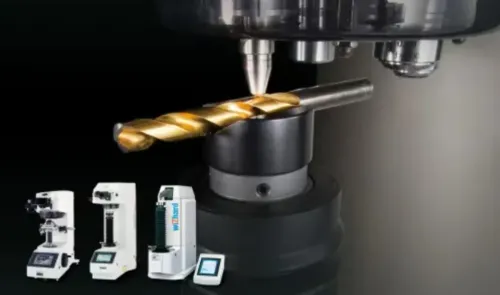
- Cement: verify manufacturer, type, grade, batch identity and delivery documents; test fineness, initial and final setting time, soundness and compressive strength against the purchase specification. These checks control reactivity, workable time, volume stability and contribution to concrete strength.
- Aggregates: check compliance with IS 383, grading, material finer than the specified limit, water absorption and specific gravity. Test flakiness and elongation, aggregate impact or crushing resistance, abrasion, soundness, and deleterious or carbonaceous particles, including coal and shale. These results control workability, bond, durability, load resistance and breakdown in concrete, subbase or ballast.
- Concrete: verify raw materials and the approved trial mix before production. During placing, record slump, concrete temperature, batch timing, admixture and water adjustments, sampling location and cube identification. Under IS 456 and IS 516, assess hardened concrete through cube compressive strength, commonly at 7 and 28 days.
A standard result commonly averages three specimens linked to one pour; acceptance depends on the project specification, not a universal number.
- Reinforcement: under IS 1786, confirm grade, diameter, heat or batch traceability and mass tolerance. Test yield strength, tensile strength, elongation, bend or rebend performance, and weldability where required. A certificate without a traceable link to installed bars is weak evidence.
- Fill and pavement layers: apply IS 2720 checks for compaction, field density, plasticity, gradation and soaked CBR. Control lift thickness and verify relevant MoRTH requirements before releasing each layer. This is practical building material quality testing and essential coal mining material testing in Nagpur.
How ground conditions and exposure change the test plan
An ordinary building check can miss the failure mechanism at a coal site. Expansive black-cotton soil, heavy machinery, vibration, variable fill and contaminated groundwater demand a geotechnical and durability plan, not only concrete cubes and visual inspections.
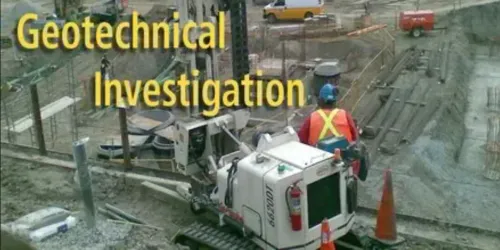
1. Investigate the founding ground with Atterberg limits, particle-size distribution, natural moisture, free swell or swell pressure, compaction, consolidation and shear-strength testing. Link borehole logs to actual loads, then assess bearing capacity, differential settlement, cyclic loading, vibration or liquefaction where the design requires it.
2. Keep CBR in its proper role: it supports pavement and subgrade decisions, but does not replace bearing-capacity or settlement analysis beneath crusher foundations, silos or heavy equipment.
For foundations, yards, haul roads and embankments, characterize murum, quarry dust or mine overburden before reuse, including coal, shale, organic matter, weak or degradable fragments, moisture-density behaviour and maximum particle size.
3. Test soil and groundwater chemistry before fixing concrete exposure, cementitious-material combination, cover, water-cement ratio and reinforcement protection. A passing 28-day compressive-strength result alone does not prove resistance to sulfate attack, chloride ingress, acidic water or other mine-related contaminants.
4. Make building material testing for coal mining projects in Nagpur decision-led. For material testing for mining companies, tie each result to source approval, foundation release, fill-layer acceptance or pavement release; otherwise, a certificate may document material without showing that the structure can survive its actual ground and exposure conditions.
How to sample, interpret and act on results
1. Set the sampling unit and frequency in the inspection and test plan before work starts. Define whether the unit is a cement lot, aggregate source, reinforcement heat, concrete batch sequence, borrow-area layer or pavement lot, then state the minimum sample quantity, test method and hold point.
2. Select samples randomly or systematically across stockpiles and deliveries; never take only from the easiest face. Record the location, date, lot or truck number, material description, quantity, sampler and intended test. Use durable labels, sealed containers where needed, chain-of-custody forms and preservation suited to moisture-, chemical- or contamination-sensitive samples.
3. Read every report against the drawing, purchase order, approved mix, mine-infrastructure requirement or named IS or MoRTH criterion. Check that units, specimen size, test age and acceptance rule are visible before accepting or rejecting a batch, changing a mix, releasing a foundation pour or approving a road layer.
4. Treat a failed concrete cube as an investigation trigger, not an automatic demolition order. Review batching, aggregate moisture, admixture dosage, curing, specimen identification and records first; then use additional samples, drilled cores or correlated in-situ methods when justified. A passing cube does not prove a suspect member is sound.
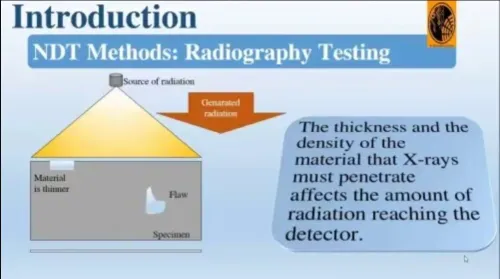
5. Use rebound hammer readings cautiously because surface moisture, carbonation, finish and aggregate affect them. Use ultrasonic pulse velocity primarily to assess continuity and relative uniformity, not uncalibrated strength; correlate non-destructive results with cores or representative laboratory specimens before structural decisions.
6. This workflow makes building material quality testing useful for material testing for mining companies: every result either releases work, controls a change or starts a documented nonconformance action. Reject, quarantine, retest or remediate only under the stated project rule, with the decision and responsible engineer recorded.
When to procure testing services and how to judge their value
A low price per test is meaningless if the result arrives after a foundation pour or gives no sampling basis. Procure construction material testing services in Nagpur before source approval, trial-mix approval, fill placement, structural steel installation and concrete-pour release.
Compare laboratories against the decision they support:
| Service model | What it delivers | Value |
|---|---|---|
| Low-cost catalogue | Isolated numbers with unclear lot basis | Poor value |
| Routine production testing | Defined sampling, units and turnaround | Controls material release |
| Coordinated testing and inspection | Results linked to geotechnical work and hold points | Reduces redesign and access risk |
Require these details before mobilization:
- Accreditation scope for the exact soil, aggregate, concrete, steel or chemical method, including the current method edition
- Equipment calibration status, curing facilities, technician competence and sample chain of custody
- Minimum sample quantity, lot basis, reporting units, sample logistics and turnaround time
- Witness and hold-point support, retest rules, nonconformance handling and record-retention period
A supplier certificate helps trace the source, batch or heat; it does not prove that delivered reinforcement or aggregate matches that certificate. Sample the delivery against the stated lot plan.
Testing is strong value when it prevents uncertainty before a foundation, pavement or pour becomes inaccessible. It is poor value when it creates disconnected numbers.
For coal mining material testing in Nagpur, Becquerel Industries Pvt Ltd can fit a coordinated scope combining materials testing, geotechnical investigation and inspection at a defined construction hold point. Judge the proposal by avoided redesign, demolition, downtime and repeat mobilisation—not the cheapest individual test.
Related product
 | With the aid of our skilled and talented professionals, our firm is actively involved in offering the best quality Construction Material Testing... View product → |
Frequently asked questions
Where does material testing prevent the most expensive coal mining failures?
Testing has the greatest value before concrete placement, structural steel installation, embankment construction and foundation work becomes difficult or costly to repair.
Which tests belong in a coal mining project test matrix?
Specify tests for concrete strength and durability, aggregate grading and abrasion, steel strength and welds, and fill compaction and moisture.
How do ground conditions and exposure change the test plan?
Weak or variable ground requires more geotechnical investigation and fill control, while water, sulphates, freeze-thaw or aggressive mine conditions require durability testing.
How should you judge the value of testing services?
Choose a provider that connects each test to an engineering decision, uses traceable samples, reports failures clearly and delivers results before work proceeds.
Keywords