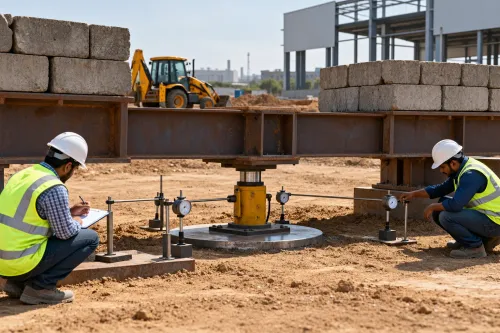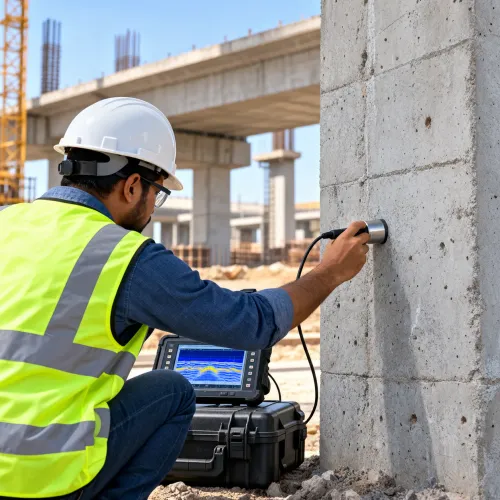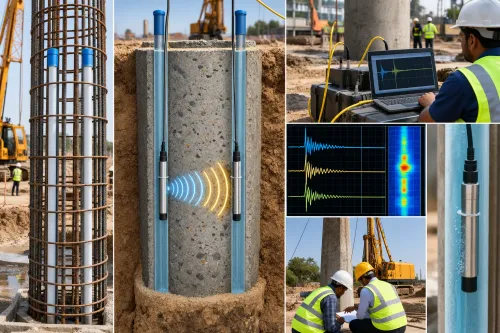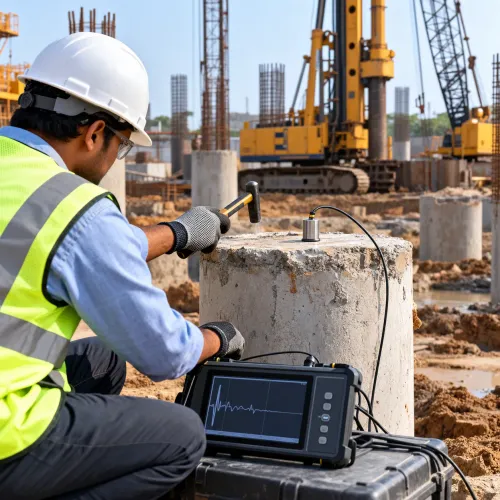
Every major construction project begins below ground. Before foundations, columns, retaining structures, industrial units, highways, bridges, warehouses, residential developments, utility facilities, public infrastructure projects move into execution, engineers need reliable information about subsurface conditions. Geotechnical Investigation Services provide this information through systematic field investigation, sampling, testing, technical interpretation.
For infrastructure projects across Nagpur, Maharashtra, subsurface investigation becomes particularly important because soil characteristics can vary considerably between sites. Two plots located within the same development zone may present different strata, groundwater conditions, bearing characteristics, rock levels, settlement potential.
What Does a Geotechnical Investigation Examine?
A geotechnical investigation studies the physical characteristics of soil, rock, groundwater beneath a proposed project site. The investigation scope depends on project size, structural loads, foundation requirements, site history, geological conditions.
Typical investigation activities may include:
- Borehole drilling
- Soil sampling
- Rock core drilling
- Standard penetration testing
- Groundwater observations
- Laboratory testing
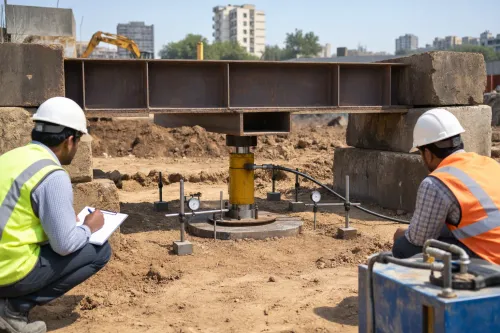
- Field testing
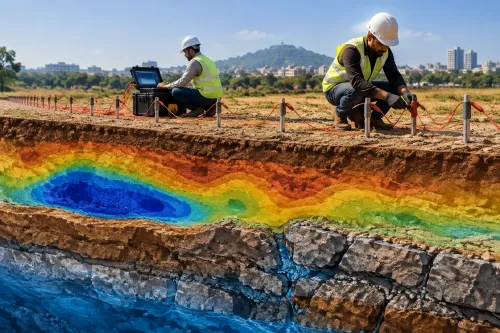
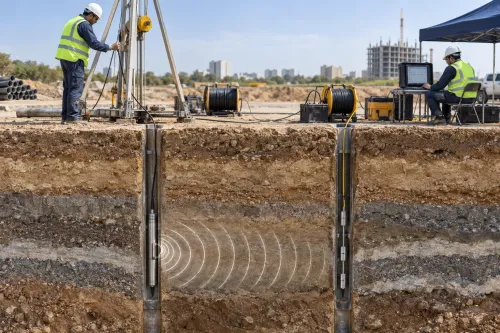
- Geophysical surveys
- Soil profile development
- Engineering interpretation
The resulting data helps structural teams understand what lies beneath the proposed development.
Why Subsurface Information Matters
Foundation design depends heavily on the characteristics of the supporting ground.
If engineers work with incomplete subsurface information, unexpected weak strata, variable rock levels, groundwater, compressible soil may create challenges during construction.
A proper investigation can provide information concerning:
- Soil stratification
- Depth of competent strata
- Rock quality
- Groundwater conditions
- Allowable bearing capacity
- Settlement characteristics
- Foundation suitability
- Excavation conditions
- Potential ground-related construction risks
This information supports better engineering decisions before expensive structural work begins.
Investigation Depth Depends on the Project
There is no single investigation depth suitable for every development.
A low-rise structure may require a different investigation program compared with a high-rise building, bridge, industrial facility, transmission structure, large warehouse, heavy equipment foundation.
Engineers usually consider expected structural loads, foundation dimensions, geological profile, proposed construction type while defining borehole depth.
Where rock occurs, drilling may continue into the rock formation to obtain representative cores. Core recovery, rock quality designation, fracture characteristics can then provide useful information about the formation.
Field Data Needs Laboratory Support
Samples collected from boreholes can be examined through laboratory testing.
Depending on project requirements, testing may evaluate properties such as:
- Moisture content
- Grain size distribution
- Atterberg limits
- Specific gravity
- Density
- Shear strength
- Consolidation characteristics
- Chemical properties
Field observations combined with laboratory results create a stronger basis for geotechnical interpretation.
Why Local Investigation Is Important in Nagpur
Construction activity across Nagpur includes residential developments, industrial projects, road infrastructure, commercial facilities, institutional buildings, logistics developments, public works.
Regional geology cannot replace project-specific investigation.
Even when general geological information about a locality is available, individual plots can contain variable fill, weathered material, different soil thicknesses, altered drainage conditions, varying rock depth.
Site-specific investigation therefore remains an important stage of engineering planning.
Turning Field Results Into Useful Engineering Information
Collecting samples alone is not the objective.
A useful geotechnical program converts field observations into information that designers can apply during foundation planning. Bore logs, test results, laboratory findings, geological observations, engineering interpretation should create a coherent picture of the subsurface profile.
Experienced technical teams also recognize unusual results requiring additional investigation.
Becquerel Industries Pvt Ltd provides geotechnical investigation support for projects requiring structured field assessment across Nagpur plus wider Maharashtra project locations. A professionally planned investigation program can help project stakeholders obtain dependable subsurface information before critical foundation decisions are finalized.
For developers, EPC contractors, structural consultants, civil contractors, infrastructure agencies, early geotechnical investigation can reduce uncertainty during design. The objective is not merely to complete a testing requirement. The real value comes from understanding the ground well enough to plan foundations, construction methods, project resources with greater technical confidence.
Keywords