The ground beneath a structure is part of its load-bearing system. When soil conditions are assumed rather than investigated, projects may face differential settlement, foundation distress, excavation instability or unexpected groundwater problems. A geotechnical soil investigation reduces this uncertainty by examining the subsurface conditions before foundation design and major construction work begin.
In Nagpur, soil profiles can vary between project sites, even within the same development area. Residential buildings, industrial facilities, roads, bridges and warehouses therefore require investigation programmes suited to their location and structural demands.
What Is a Geotechnical Soil Investigation?
A geotechnical soil investigation is a planned assessment of soil, rock and groundwater conditions at a proposed or existing construction site. It combines field exploration, sampling, in-situ testing and laboratory analysis.
The purpose is to provide engineers with reliable data for decisions involving:
- Foundation type and founding depth
- Allowable bearing pressure
- Settlement considerations
- Excavation and slope stability
- Pavement and subgrade design
- Groundwater management
- Earth-retaining structures
- Suitability of soil for filling or backfilling
The scope should reflect the size, load, layout and risk profile of the proposed structure. A small low-rise development and a heavily loaded industrial project will not require identical investigation plans.
Typical Stages of Soil Investigation
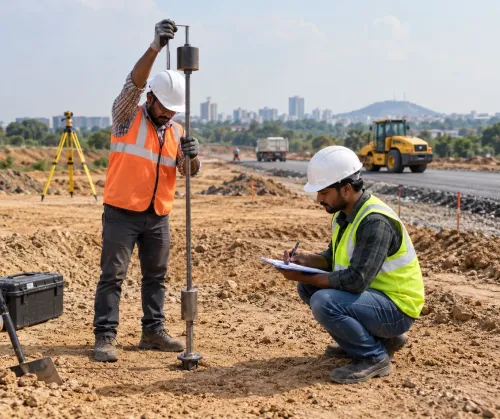
The process usually begins with a desk review and site reconnaissance. Available geological information, proposed structural details, surrounding development and visible drainage conditions are considered.
Field exploration may then include:
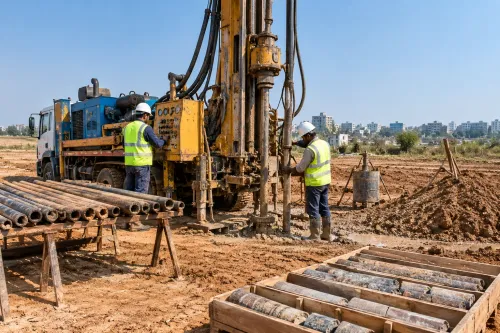
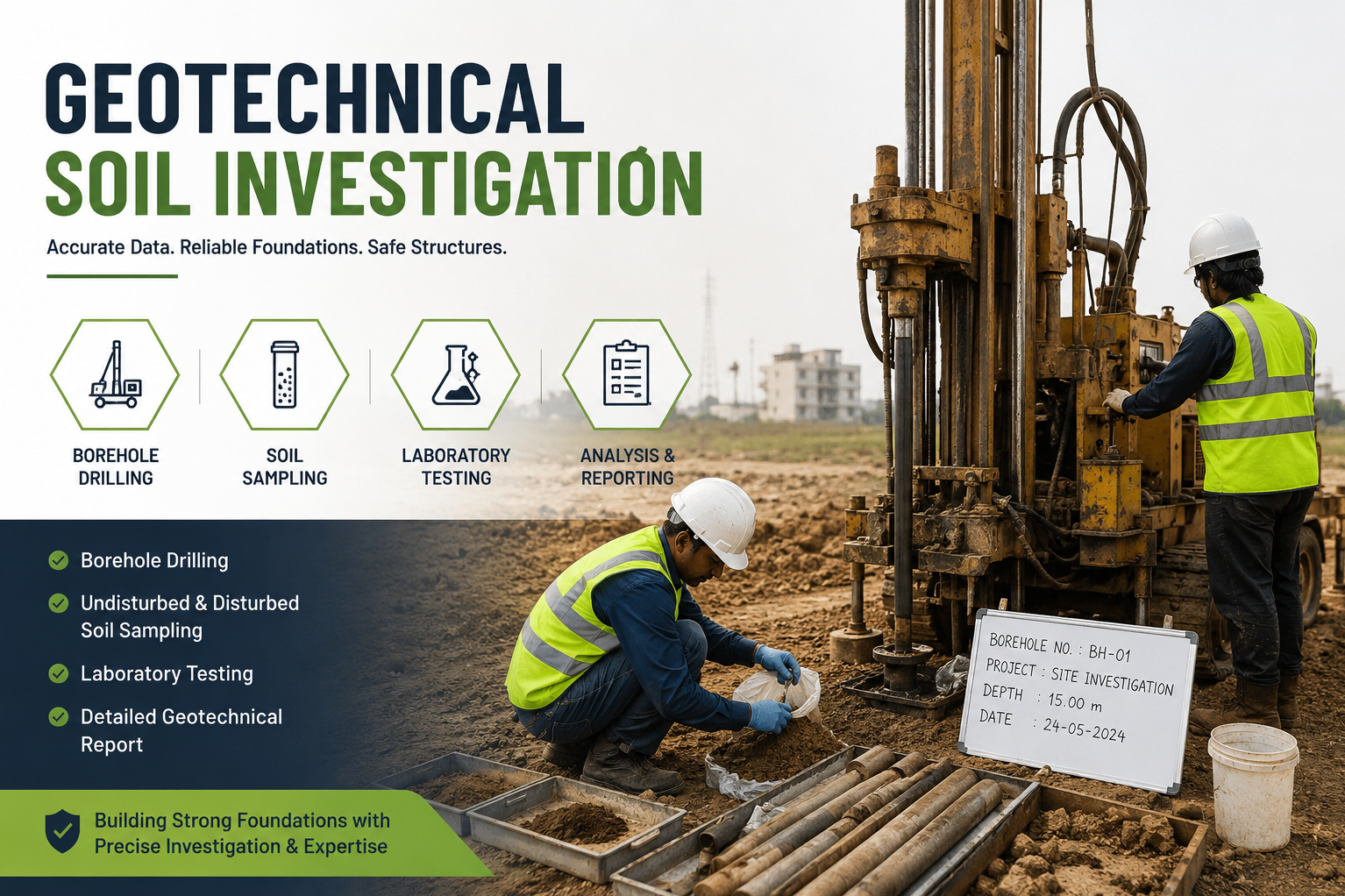
- Borehole drilling
- Trial pits
- Standard Penetration Tests
- Collection of disturbed soil samples
- Collection of undisturbed samples
- Groundwater observations
- Rock coring where rock strata are encountered
- In-situ tests selected for the project
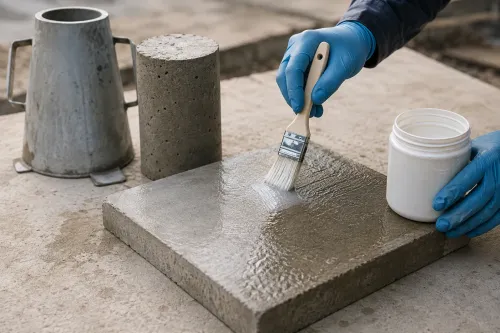
Laboratory testing is performed on representative samples. Depending on the soil and project requirements, tests may cover moisture content, grain-size distribution, Atterberg limits, specific gravity, density, shear strength, consolidation and chemical characteristics.
Why Borehole Depth and Location Matter
Boreholes should be positioned to represent the building footprint and areas of concentrated loading. Their depth must extend sufficiently below the anticipated foundation level to identify strata that could influence bearing capacity or settlement.
An investigation that stops after encountering a strong surface layer may fail to identify weaker material below it. Similarly, too few boreholes can overlook local variations such as filled ground, soft pockets or weathered zones.
The investigation plan should therefore consider:
- Proposed column and wall locations
- Basement or excavation depth
- Expected foundation loads
- Site dimensions and changes in ground level
- Nearby structures and property boundaries
- Past land use and possible uncontrolled filling
What the Geotechnical Report Should Contain
A practical report should do more than list test values. It should explain the subsurface profile and translate the findings into usable engineering guidance.
Important report components include:
- Site and project description
- Fieldwork and laboratory testing details
- Bore logs and sample information
- Soil and rock classification
- Groundwater observations
- Engineering interpretation
- Foundation recommendations
- Bearing and settlement considerations
- Excavation or earthwork guidance
- Limitations and conditions requiring verification
Recommendations should be read together with the structural design and actual site conditions encountered during construction.
Soil Investigation for Projects in Nagpur
Local geology, seasonal moisture changes, drainage and previous land use can influence soil behaviour across Nagpur and the wider Vidarbha region. Expansive soils, filled plots or variable weathered strata may require additional attention during foundation planning.
Becquerel Industries Pvt Ltd undertakes geotechnical soil investigation for construction and infrastructure applications in Nagpur. A well-planned investigation helps designers work with verified ground data, improves project readiness and reduces the likelihood of costly subsurface surprises during execution.
Keywords