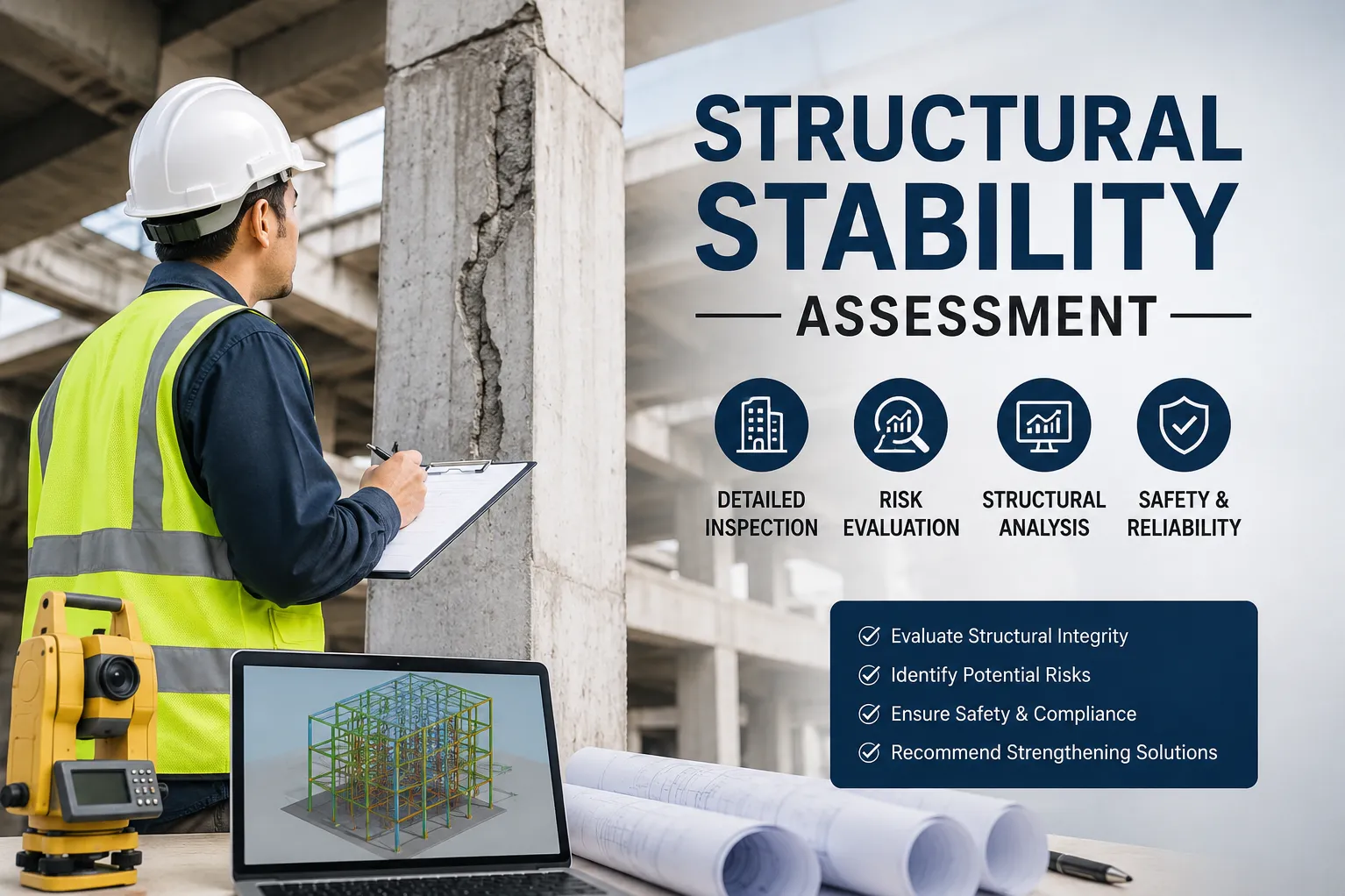
Cracks, corrosion, visible deformation and unauthorised alterations can raise questions about whether a building remains safe for its intended use. A structural stability assessment examines these concerns systematically and provides an engineering basis for deciding whether repairs, monitoring or further investigation are necessary.
Becquerel Industries Pvt Ltd supports structural stability assessments for residential, commercial and industrial structures. The process combines document review, site inspection, testing and engineering analysis rather than relying on appearance alone.
What Is a Structural Stability Assessment?
A structural stability assessment evaluates the condition and performance of a structure or selected structural elements. Its scope depends on the building’s age, construction type, observed distress and proposed use.
The assessment may consider:
- Load-bearing system and structural configuration
- Cracking, deflection and deformation
- Concrete deterioration and exposed reinforcement
- Corrosion in steel members
- Settlement-related symptoms
- Alterations to walls, columns, beams or slabs
- Current and proposed loading
- Effects of fire, impact, leakage or prolonged neglect
The objective is to identify whether observed conditions affect serviceability, durability or structural safety.
Warning Signs That Should Not Be Ignored
Not every crack indicates instability, but some symptoms require timely technical review. Owners and facility managers should pay attention to:
- Cracks that are widening or recurring after repairs
- Sagging slabs, beams or roof members
- Tilting walls or visibly distorted frames
- Concrete spalling with exposed corroded reinforcement
- Unusual floor vibration
- Doors or windows becoming misaligned
- Settlement near foundations
- Rusting or section loss in structural steel
- Damage after fire, impact, flooding or nearby excavation
- Heavy equipment added without structural verification
Photographs and crack measurements collected over time can help determine whether deterioration is active or stable.
Structural Assessment Requirements in Nagpur
Nagpur has a mix of older buildings, expanding residential developments, warehouses and industrial facilities. Structures may undergo changes in occupancy, equipment loading or internal layout over their service life.
A stability assessment may become relevant before:
- Renovation or vertical expansion
- Installation of heavy machinery
- Change in building use
- Purchase or long-term leasing of an older property
- Repair of distressed structural components
- Reopening an unused facility
- Demolition work on an adjoining property
- Preparation of a rehabilitation plan
The assessment scope should match the decision being made. A visual inspection may identify areas of concern, but it may not be sufficient when load capacity or concealed deterioration needs evaluation.
What the Assessment Process Includes
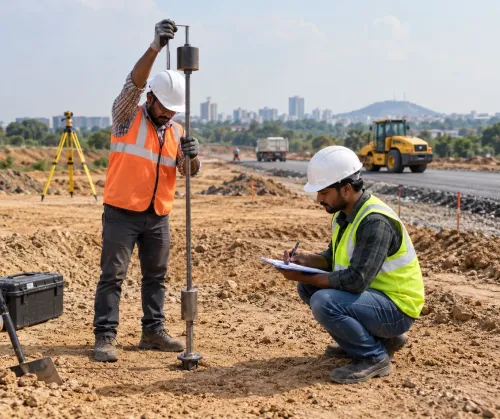
The process usually starts with reviewing available drawings, previous repair records and information about building use. Engineers then inspect accessible structural members and document visible defects.
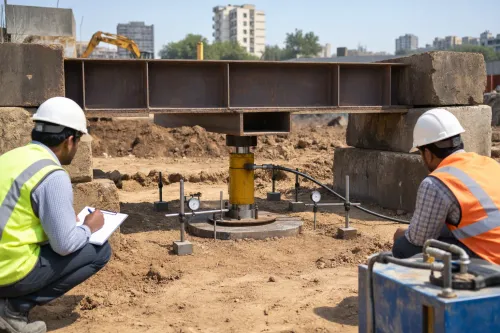
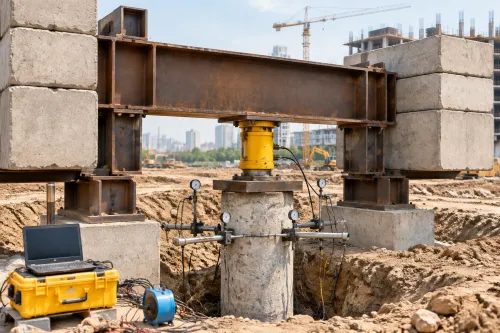
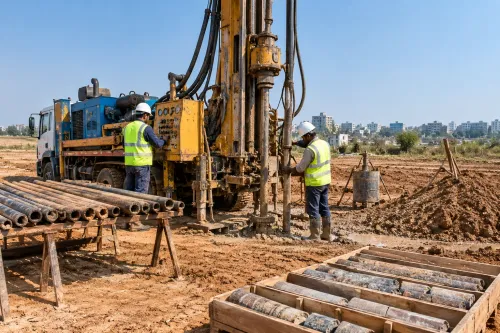
Non-destructive and laboratory tests may be selected based on the findings. These can include rebound hammer testing, ultrasonic pulse velocity, cover measurement, corrosion assessment, concrete core testing and structural steel evaluation.
Engineering calculations may be required when:
- The original design is unavailable or uncertain
- Structural modifications are proposed
- Loads have increased
- Significant deterioration is present
- Member capacity needs verification
What a Useful Assessment Report Should Provide
The final report should clearly distinguish observations from engineering conclusions. It should describe the inspected areas, limitations, testing performed and significance of the defects.
Recommendations may include immediate precautions, load restrictions, repairs, strengthening, periodic monitoring or additional investigation. A responsible assessment should not provide a generic declaration without explaining the basis of the findings.
Structural stability assessment helps property owners replace assumptions with documented evidence. Early evaluation can also prevent minor deterioration from developing into a more disruptive repair requirement.
Keywords